
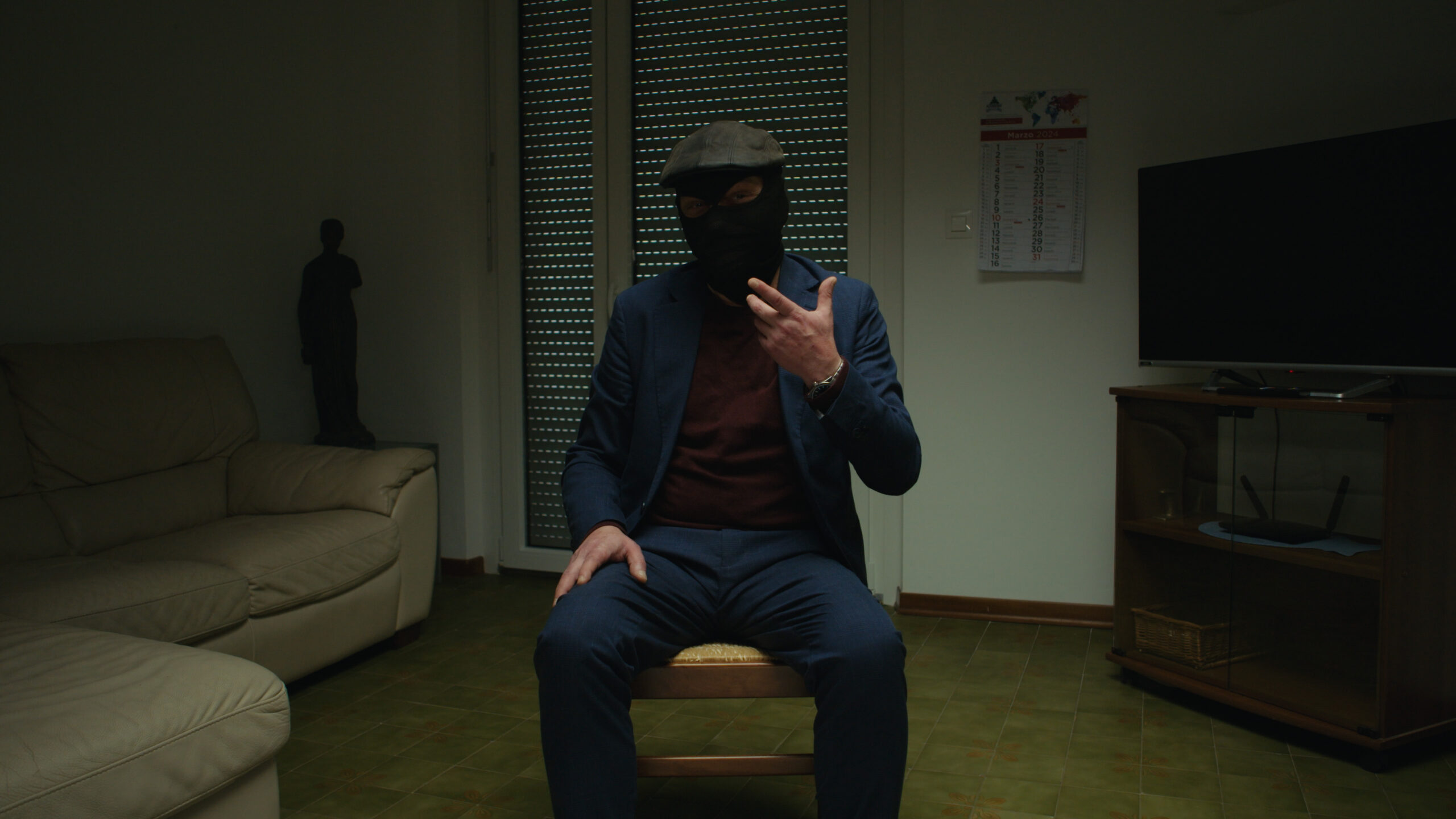
A blog post can sometimes have an incredible, unexpected impact. Last year, we reported on a spectacular drug bust in which a mafia organization played a central role. This criminal organization smuggled drugs in large quantities via container shipments, and major logistics companies were also involved. What we didn't know at the time was that this article would cause quite a stir. A few weeks ago, we were contacted by the producers of a production company that is producing the new ARD documentary "Hunting the Mafia – The 'Ndrangheta in Germany" for WDR .
But what does that have to do with us?
It's astonishing how closely the logistics industry is linked to drug trafficking. The documentary shows how the same global supply chains and transport systems are misused for drug smuggling. Container transport, cargo ships, and logistics companies are frequently used as unwitting "tools" to smuggle illegal goods. While logistics companies aren't directly involved in criminal activities, cases like these demonstrate the importance of everyone in the industry taking their responsibilities seriously. Transparency, security measures, and close cooperation with authorities are crucial to preventing logistics from being used as a loophole for illegal activities. We want to contribute and highlight the importance of these issues. We were pleased that our blog post caught the attention of the documentary's producers, as it addresses precisely what the documentary explores: the involvement of organized crime within existing logistics structures.
The 'Ndrangheta and its network – A look at the documentary
The sensational three-part documentary, currently available in the ARD media library, takes a look at the incredibly far-reaching sphere of influence of the 'Ndrangheta, one of the most powerful mafia organizations worldwide.
Part 1 reveals the fascinating structures of the 'Ndrangheta and how it has established itself within the legitimate economy in Germany. Restaurants, real estate deals, and corporate holdings serve as the perfect cover for the organization to launder its illicit profits – mostly unnoticed by the public. A striking example of the 'Ndrangheta's brutal presence in Germany is the Duisburg attack in 2007. Six men were shot dead in front of an Italian restaurant – a bloody chapter in the internal power struggle between two rival clans within the organization. This incident made it clear that the 'Ndrangheta not only operates in secret but also violently enforces its interests in Germany.
Part 2 of the documentary focuses on the international drug smuggling operations of the 'Ndrangheta. It showcases recent cases that are quite sensational. One of these is the case of Karl-Heinz E., known as "Kalle." He is accused, along with seven accomplices, of smuggling approximately 880 kilograms of cocaine for the mafia. The group used a fishing paradise in the Sauerland region as a cover for their criminal activities. This case illustrates how the 'Ndrangheta infiltrates legitimate structures and businesses to conduct its illegal operations. Using examples like these, the documentary demonstrates how closely the logistics industry and other sectors of the economy can be intertwined with criminal networks, often without their knowledge.
Part 3 focuses on the fight against the 'Ndrangheta. German and international authorities demonstrate their methods and attempts to dismantle the organization. But the mafia adapts – constantly evolving techniques make it difficult to apprehend the criminals. The documentary shows that combating organized crime is a long process that can only succeed through international cooperation.
Why this topic concerns us
The 'Ndrangheta, one of Italy's most powerful Mafia organizations, also has a far-reaching network in Germany, particularly in North Rhine-Westphalia, Baden-Württemberg, Bavaria, and Hesse. Cities like Duisburg, Cologne, and Stuttgart are considered hotspots. The Mafia controls large parts of the European cocaine market and cooperates with South American cartels. A major success for investigators was "Operation Eureka" in 2023, which led to the arrest of over 130 suspects. They were suspected of large-scale cocaine trafficking and money laundering. Significant amounts of cash, drugs, and weapons were seized during the operation.
The 'Ndrangheta is not only active in drug trafficking, but also in money laundering and other sectors such as gastronomy, real estate, and construction. It uses companies, particularly in the construction, transportation, and textile industries, to launder money. These interconnections make it difficult for legitimate businesses to protect themselves from criminal activities.
Germany is a key hub for the Calabrian mafia's drug trafficking operations. This underscores the importance of companies taking responsibility and combating illegal activities. Transparency, security, and cooperation with authorities are crucial in this regard.
We want to give you an insight into our topic and show how severely the logistics industry can be affected by organized crime. This case illustrates the importance of addressing the challenges in the logistics and security sector. We will continue to explore exciting topics that offer a broader perspective.
ARD1 Mediathek documentary:
Click here to watch the documentary – now available in the ARD Mediathek: