
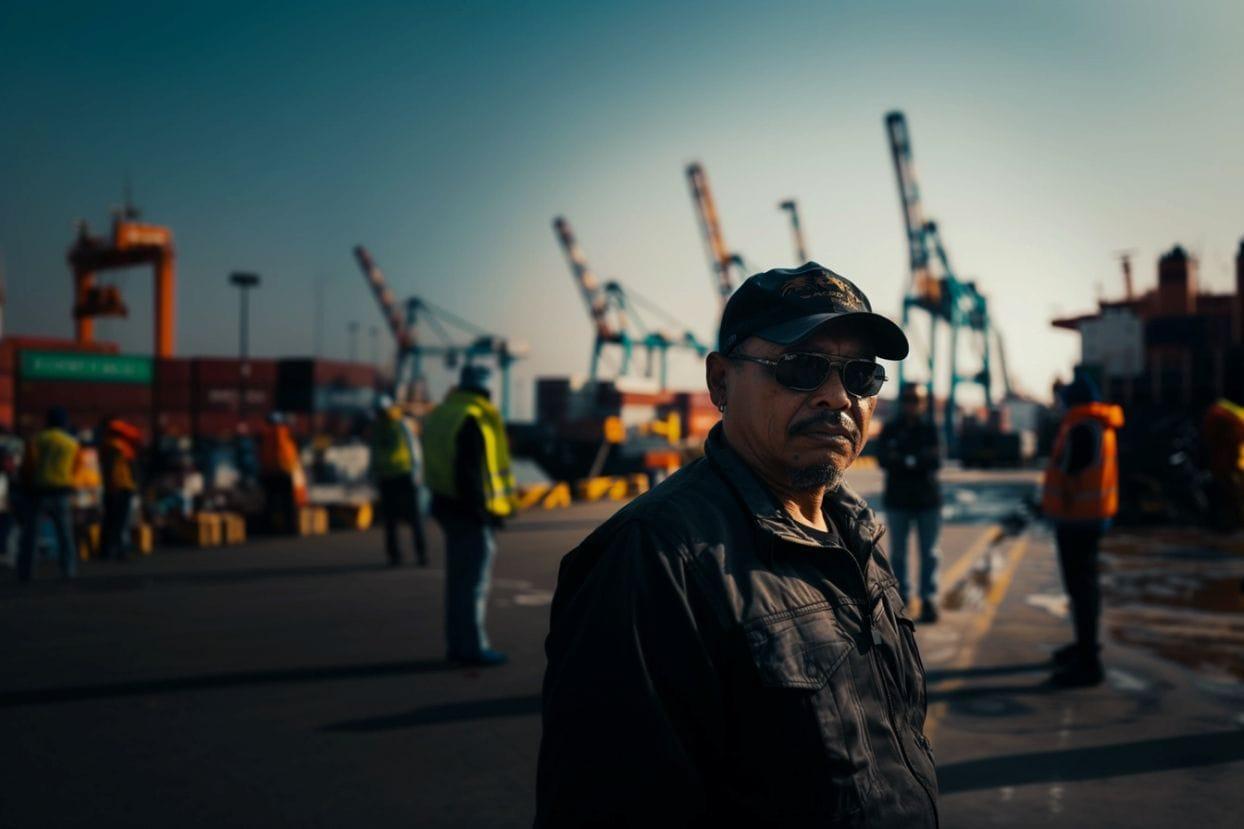
Antwerp, Rotterdam, Hamburg – the dark side of the major trading centers
These cities are known not only for their bustling commercial centers but also for a dark reality: drug trafficking. Europe's ports serve as hubs for the smuggling of drugs like cocaine, which floods the streets of Europe.
A look behind the scenes of the ports
In our daily work as freight forwarders, we witness firsthand the gigantic flows of goods passing through these ports and are naturally impressed by the smooth processes involved. It's remarkable how efficiently the logistics operate – and simultaneously appalling to see the methods of concealment smugglers use to transport drugs.
The largest cocaine seizure ever recorded in Germany was recently discovered: More than 35 tons of the drug, hidden in shipping containers among crates of fruit, were discovered thanks to a tip from Colombian authorities. The street value of this quantity is a staggering 2.6 billion euros.
Hamburg's grim reality
As freight forwarders, we often have direct contact with the Port of Hamburg. For us, it's an important economic factor and source of employment, but we also see the downsides. The Port of Hamburg plays a tragic role in the international cocaine trade. South American drug lords use the port as a main hub for their illegal activities.
Sophisticated hiding methods of the cartels
Specialist articles frequently describe the sophisticated hiding methods employed by the cartels. The cocaine is concealed in containers from South American ports, often in false bottoms, travel bags, or among shipments of fruit and vegetables. These methods demonstrate the cartels' creativity and ruthlessness.
The “Gayane” affair and its consequences
One example that shocked us all was the “Gayane” affair in 2019. US authorities discovered a record-breaking 20 tons of cocaine, worth $1.3 billion, on the container ship “Gayane.” This unprecedented drug bust exposed the deep infiltration of a very large shipping company by the drug mafia and revealed serious security gaps throughout the entire shipping industry.
From sailors to smugglers
The stories of the sailors who were forced into smuggling by the drug mafia through violence and intimidation are also alarming. We can hardly imagine the pressure these people were under. The Balkan drug mafia deliberately threatened shipping company employees with violence and forced them to load drugs onto the moving ship on the high seas.
Disclosure and consequences
The Gayane case came to light through reporting by Bloomberg Businessweek. US authorities seized the ship, searched the containers, and confiscated over 15,000 blocks of cocaine. Several crew members were arrested, and the shipping company faces a $700 million fine.
A turning point for the industry
The Gayane case could be a turning point for the shipping industry. As freight forwarders, we understand the need for stricter controls and compliance standards to prevent criminal activity. The shipping company involved is now investing millions in new smuggling detection technologies and emphasizes the need for industry-wide cooperation in the fight against drug trafficking.
The need for a change of thinking
To maintain its integrity and regain public trust, the shipping industry should fundamentally improve its safety measures. The discovery of cocaine on the "Gayane" serves as an alarming signal and underscores the urgent need for action.
Conclusion
The cocaine find on the "Gayane" and the recent discovery of 35 tons of cocaine in the Port of Hamburg are shocks for the shipping industry and underscore the need for decisive action against drug trafficking and organized crime. These cases serve as a wake-up call for the industry and all stakeholders in the supply chain to work together against this global problem.
We as freight forwarders have also had our share of experiences with smuggling attempts. For example, one of our drivers was once caught trying to smuggle cigarettes in a truck. Such incidents demonstrate that the threat of smuggling is ever-present and that we must remain vigilant at all times to prevent illegal activities.
Through our daily work in logistics and our close contact with Europe's major ports, we are aware of the responsibility we bear. It is up to all of us to work together to combat smuggling and ensure that our trade routes remain clean and safe.