
Geopolitical tensions and international trade
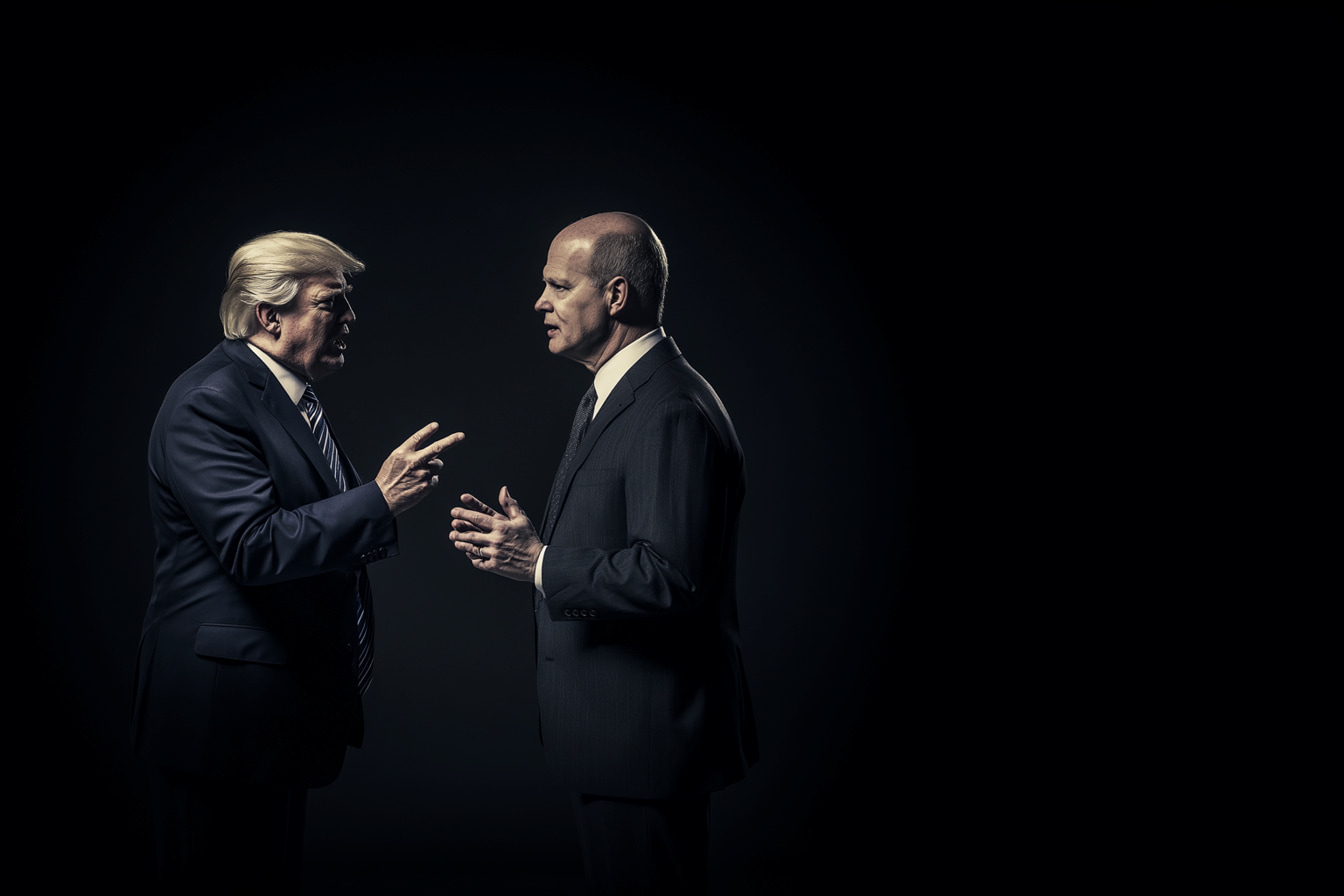
International trade is increasingly at the center of geopolitical tensions, particularly due to US trade policy. During Donald Trump's presidency, punitive tariffs were introduced, affecting imports from the EU as well. These tariffs, which could include 10% on US imports and up to 60% on Chinese goods, would have a significant impact on the German economy, especially the automotive industry. It is anticipated that Germany could lose up to €180 billion due to retaliatory measures by the EU.
Impact on the economy and supply chains
The introduction of tariffs leads to increased production costs and impairs the competitiveness of many companies. This is particularly true for export-oriented sectors such as mechanical engineering and the automotive industry. Increased trade barriers jeopardize global supply chains and consequently affect the entire economy.
Importance of the World Trade Organization (WTO)
The World Trade Organization (WTO) plays a central role in regulating trade disputes. However, should its effectiveness decline, this could lead to uncoordinated trade measures, which could jeopardize global economic growth.
Opportunities arising from changed trading conditions
Despite the challenges, companies could benefit from new trade routes and reduce their dependence on specific markets. Changes in trade offer opportunities for innovation and new partnerships.
Opportunities and potential arising from changing trading conditions
Despite the challenges, these developments also offer opportunities:
- Market diversification: Companies can see geopolitical changes as an opportunity to reduce their dependence on specific markets and to tap into new target markets.
- Promoting innovation: Trade barriers and higher production costs are driving companies to develop more efficient processes and innovative products in order to remain competitive.
- New partnerships: The tensions create space for new alliances and trade agreements, especially with emerging economic powers and markets outside the traditional trade routes.
- Focus on sustainability: Changed supply chains could encourage companies to establish more local and sustainable production and distribution models.
Key action strategy
For companies and political decision-makers, it is crucial to react flexibly to these uncertainties and to develop strategies for exploiting long-term opportunities. Neutrality is a principle of this contribution.
Neutrality as a principle of this article
This article is for informational purposes only and deliberately avoids political positions. Our goal is to present the facts neutrally and comprehensibly, without taking sides.
*Image created using AI